

Introduction of Untargeted Metabolomics
Introduction of Untargeted Metabolomics
Untargeted metabolomics is a discovery-oriented approach, aiming to capture global metabolite information. Its detection is usually unbiased, and it strives to identify as many metabolites as possible in biological samples. This necessitates the use of high-resolution mass spectrometry, where higher resolution enables the detection of more metabolites. The combination of ultra-high-performance liquid chromatography (UHPLC) with high-resolution mass spectrometry, known as liquid chromatography-tandem mass spectrometry (LC-MS/MS), has gained increasing prominence in untargeted metabolomics research due to its broad metabolite coverage and simplified sample pretreatment.
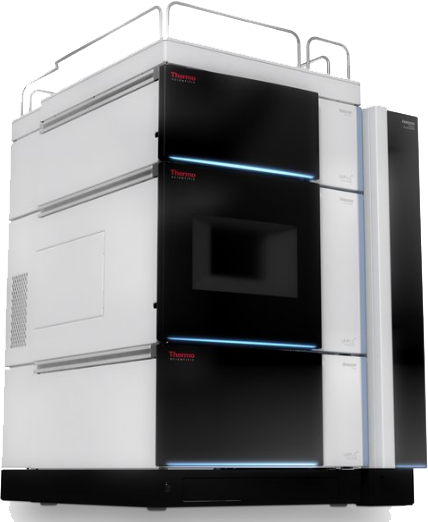
Thermo Vanquish™ UHPLC
(Ultra-High Performance Liquid Chromatography Platform)
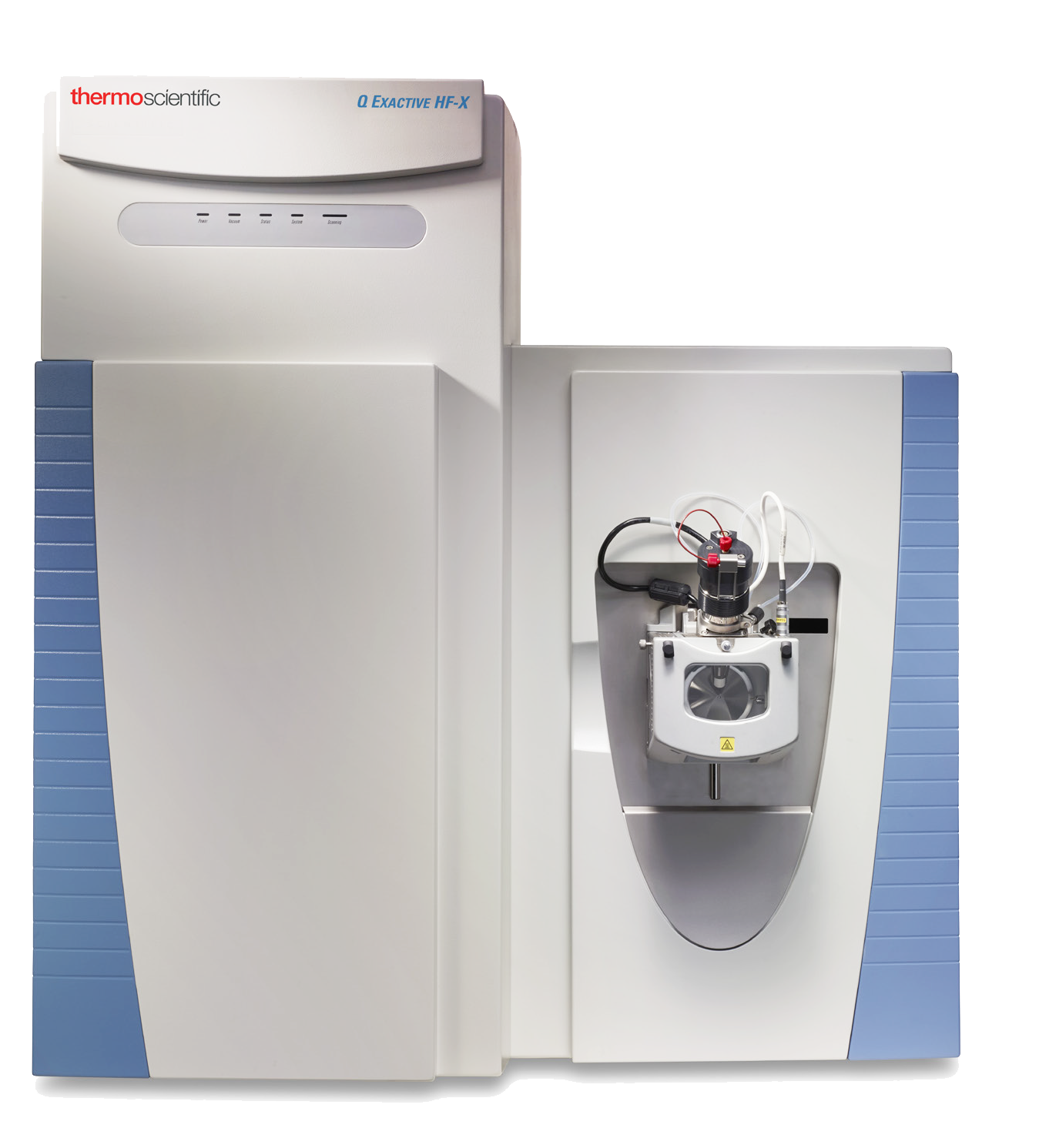
Thermo Q Exactive™ HF-X
(High Resolution Mass Spectrum Platform)
The NovoMetDB-UM-V3.0 database, which contains a high-quality secondary spectrum database (over 170,000 substances), and an in-house secondary spectrum database (over 15,000 reference standards) was utilized in untargeted metabolomics for both qualitative and quantitative analysis.
Experimental Workflow of Untargeted Metabolomics
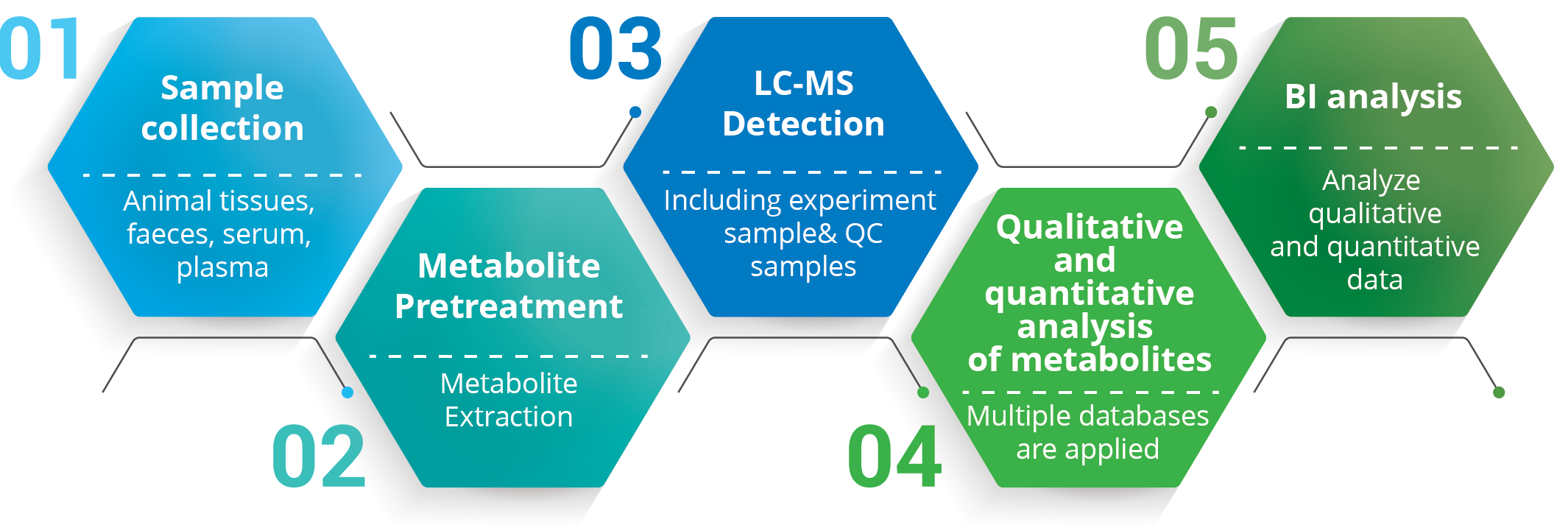
The experimental workflow of untargeted metabolomics primarily includes sample collection, metabolite extraction, instrumental analysis, and data processing.
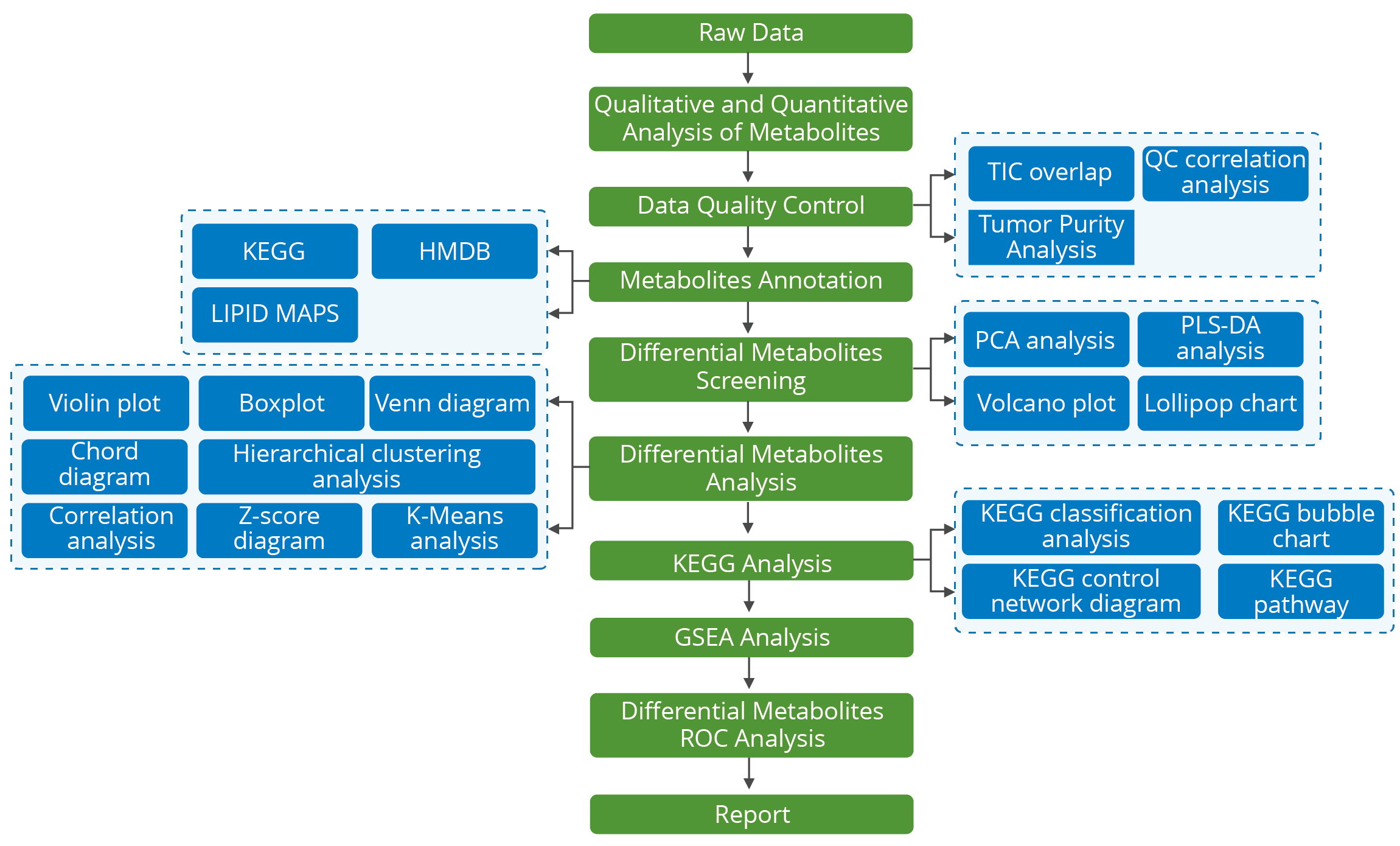
Bioinformatic Analysis Workflow
The workflow of bioinformatics analysis is presented in the following diagram:
Let’s Talk about Your NGS Project
(Fields marked with an * are required)
Case Study: Untargeted Metabolomics
Mannose metabolism reshapes T cell differentiation to enhance anti-tumor immunity [1]
【Journal】Cancer Cell
【Impact Factor】48.8
【Date of Publication】December, 2024
【Background】
Immunotherapy has demonstrated clinical efficacy and durability across diverse tumor types, with primary strategies including immune checkpoint blockade (ICB) and adoptive T cell therapy (ACT). However, within the tumor microenvironment (TME) or during chronic viral infections, CD8+ T cells frequently undergo differentiation toward exhaustion. This exhaustion leads to T cell dysfunction and impaired persistence, posing a significant challenge to effective T cell-based immunotherapies.
Thus, identifying factors that govern T cell persistence while limiting exhaustion-associated differentiation is essential for designing rational strategies to sustain antitumor T cell responses.
【Conclusion】
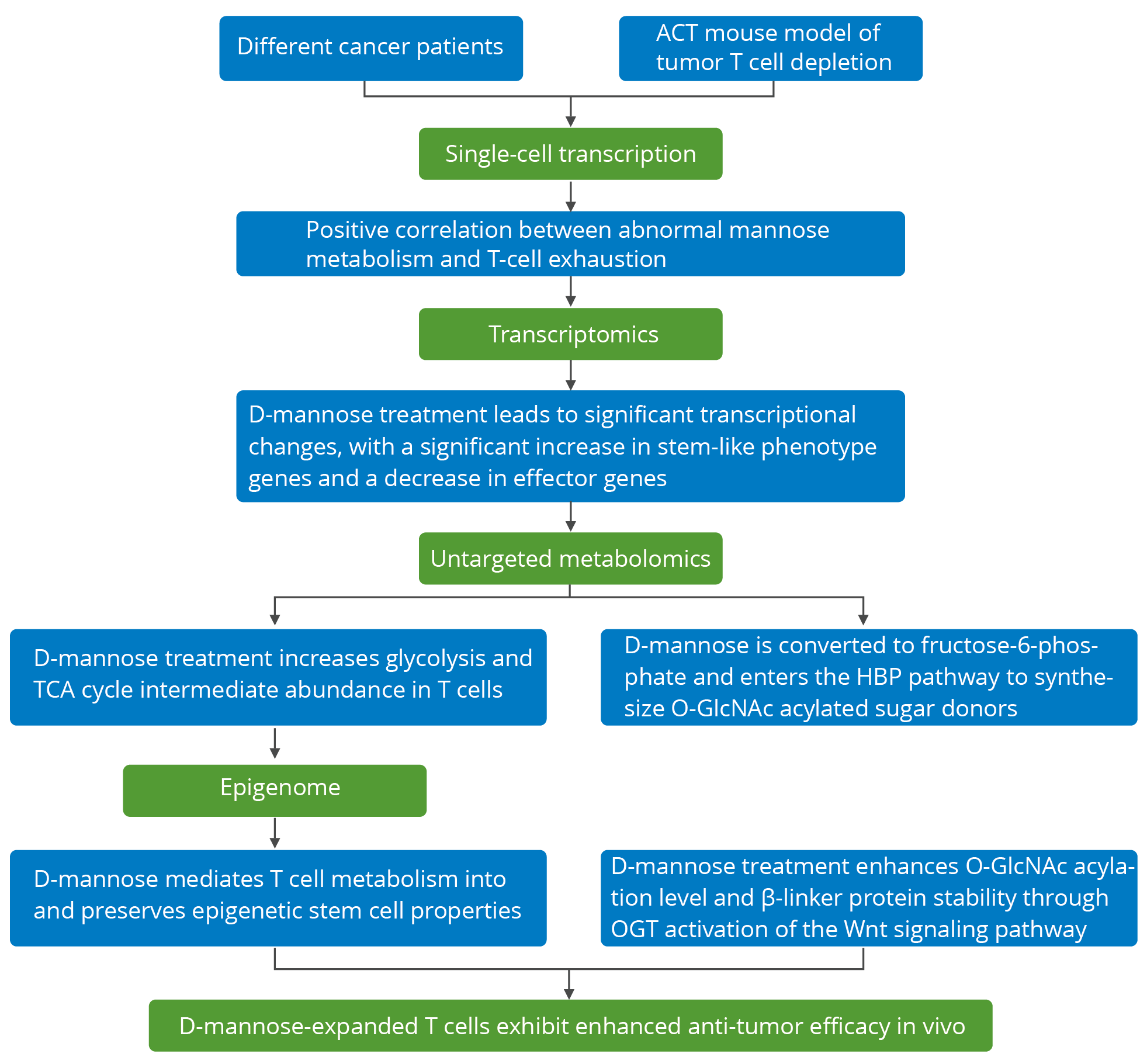
In this study, the authors employed transcriptomic profiling, single-cell RNA sequencing, and untargeted metabolomics to demonstrate that mannose metabolic dysregulation is a distinguishing feature of T cell exhaustion and contributes to its functional impairment. D-mannose supplementation was shown to enhance mannose metabolism in T cells, thereby promoting stem-like differentiation and sustained long-term expansion, which collectively improved tumor control in vivo. Mechanistically, D-mannose treatment reprogrammed intracellular metabolism and activated the Wnt signaling pathway via O-GlcNAc transferase (OGT), leading to increased O-GlcNAcylation and stabilization of β-catenin. These findings underscore the role of mannose metabolism as a physiological regulator of T cell function and highlight its potential as a promising therapeutic target for immunotherapy.
【Method】
Reference
Qiu Y, Su Y, Xie E, et al. Mannose metabolism reshapes T cell differentiation to enhance anti-tumor immunity[J]. Cancer Cell. 2025, 43(1): 103-121.e8.

Novogene Corporation Inc.
 2921 Stockton Blvd. Suite 1810, Sacramento CA 95817
 916-252-0068
 inquiry@novogeneusa.com
 www.novogene.com
Copyright©2011-2025 Novogene Corporation
All Rights Reserved. Information and specifications are subject to change at any time without notice.