
Integrative Multiomics: Powering Frontier Research and Beyond

Join us in connecting researchers, sharing real-world applications, and unlocking access to advanced multiomics technologies. Register for your preferred seminar date below.
31 October 2025 | 10.30am to 11.30am
Monash Health Translation Precinct (Level H02, Seminar Room 3)
Join Onsite or via Zoom
(You will receive an email with the meeting link.)
Speakers: Claire Sun, Omar Gilan
18 August 2025 | 10-12pm
Auditorium at Bio21 Institute, University of Melbourne
Speaker: Saskia Freytag, Boris Novakovic
Event ended.
8 August 2025 | 1.30pm to 3.30pm
Seminar Room 2003, Translational Research Institute
Speakers: Mark Morrison, Huiwen Zheng
Event ended.
Meet the Presenters
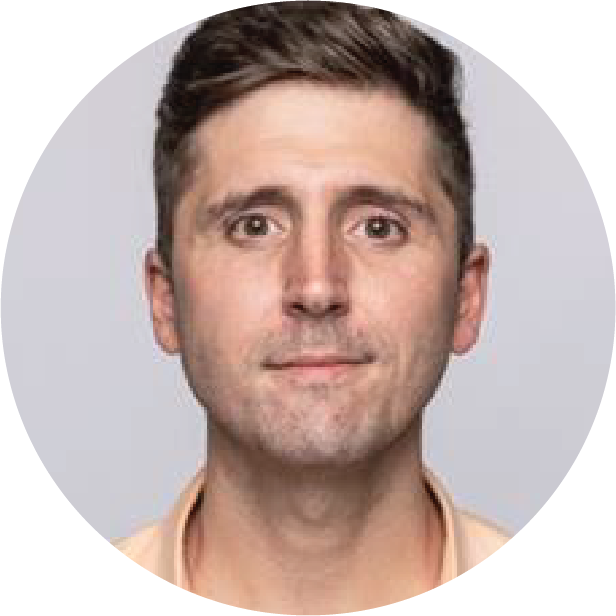
Boris Novakovic
Infection Immunity and Global Health Theme, Murdoch Children's Research Institute
Title
A systems immunology to understand cellular and molecular remodelling by gender affirming hormone therapy (GAHT)
Abstract
Sex differences manifest in traits such as body size, muscle mass, and bone density, as well as in the risk of cardiovascular, metabolic, and immunological conditions. The contribution of genetics and sex hormones to these sex differences in immune function are difficult to unravel, because the two are confounded. Using longitudinal biospecimens from gender affirming hormone therapy (GAHT) trials allows us to specifically study how sex hormones remodel circulating biomarkers and influence iimmune cell function.
About the Presenter
Dr Boris Novakovic is Team Leader of the Infection, Immunity and Global Health Theme at the Murdoch Children’s Research Institute (MCRI) and Associate Professor at the University of Melbourne. His research spans from early discoveries in human twin studies to translational work in sepsis, childhood disease, and vaccine responses — supported by major NHMRC grants and global collaborations. Learn more about his work.
Boris will be speaking at the seminar on 18 August at bio21, University of Melbourne.
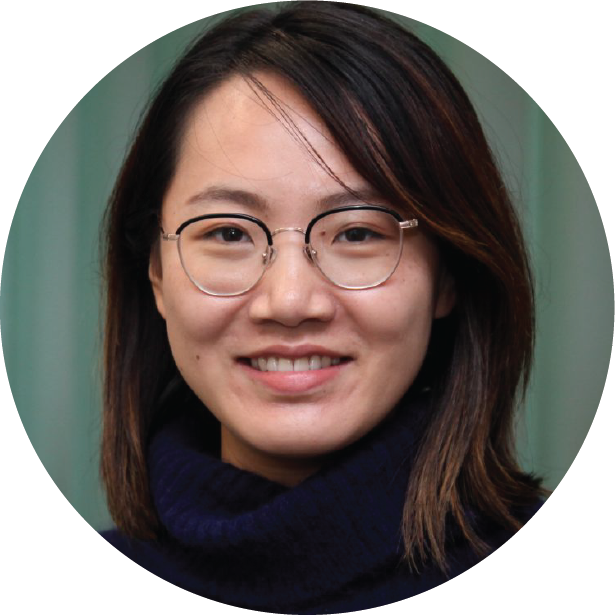
Claire Sun
Cancer Genetics and Functional Genomics, Hudson Institute of Medical Research
Title
Integrative Multi-Omics Analysis to Drive Therapeutic Discovery in Paediatric Cancers
Abstract
Paediatric solid cancers are the leading cause of disease-related deaths in children, yet they typically lack the mutational burden seen in adult cancers, limiting treatment options. To overcome this, the Next-Gen Precision Medicine Program established the Childhood Cancer Model Atlas (CCMA), the world’s largest collection of high-risk paediatric tumour cell lines, integrating multi-omics and functional data. By applying machine learning based integrative analysis, we have identified genetic vulnerabilities, potential therapies, and predictive biomarkers, bridging gaps between paediatric and adult cancers.
About the Presenter
Dr Claire Xin Sun is a lead bioinformatician for cancer research, driving data-led discoveries in precision medicine and paediatric oncology. Her work bridges advanced computational methods with clinical applications to improve outcomes for patients with hard-to-treat cancers. She is a key contributor to the Childhood Cancer Model Atlas (CCMA) — the world’s largest open-source platform of high-risk paediatric cancer cell lines, which aims to enable the data-driven discovery of new therapeutic targets for paediatric cancers with low survival rates. Learn more about her work.
Claire will be speaking at the seminar on 31 October at Hudson Institute of Medical Research (Clayton Precinct).
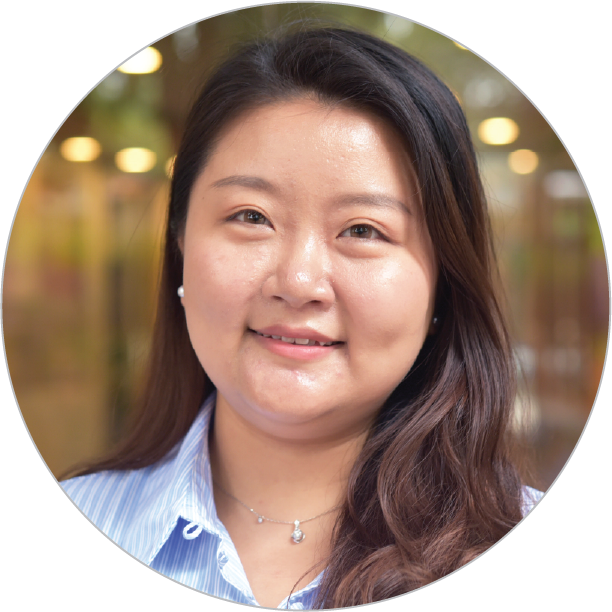
Huiwen Zheng
Australian Institute for Bioenngineering and Nanotechnology, The University of Queensland
Title
Characterisation of novel brain organoid protocols through multiomic profiling
Abstract
Brain organoids (BOs) have emerged as powerful models for studying human brain development and neurological diseases. However, the incorporation of key immune cells, namely microglia, remains a major challenge. In this study, we developed two distinct strategies for introducing microglia into BOs, each supporting different aspects of disease modelling. Using integrated transcriptomic, proteomic and spatial transcriptomic analyses, we demonstrate strong molecular similarities between organoid-derived and primary microglia. Our findings highlight the value of multiomic profiling in resolving cellular composition and uncover microglial activation patterns for therapeutic development.
About the Presenter
Dr Huiwen Zheng is a computational biologist at the University of Queensland’s Australian Institute for Bioengineering and Nanotechnology, where she supports the Stem Cell Engineering Lab. Her research focuses on analyzing cellular heterogeneity in aging and senescence using single-cell transcriptomics. By integrating bioinformatics with stem cell and organoid models of neurological disease, she helps uncover insights to guide therapeutic development. Learn more about her work.
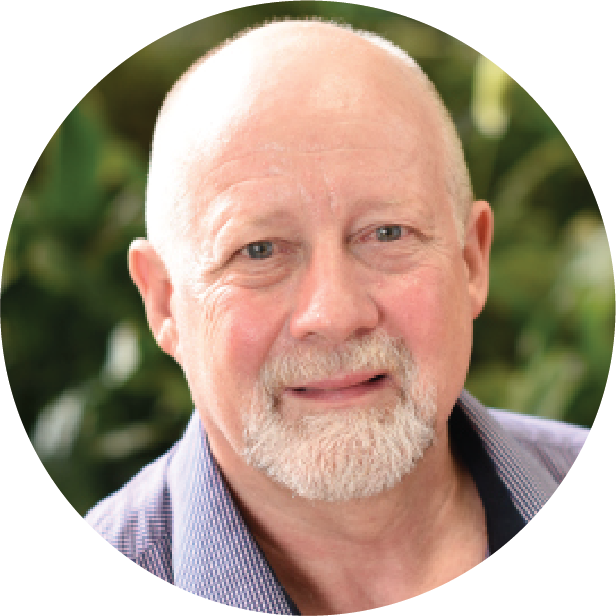
Mark Morrison
Frazer Institute, The University of Queensland
Title
Variations of the mucosa-associated microbiota along the gastrointestinal tract in health and disease: The Brisbane approach
Abstract
It has been long recognised that the gut microbiome not only varies throughout the length of the gastrointestinal tract but also between the lumen and mucosal surfaces of different gut segments. However, the sampling, quantification, and characterisation of these mucosa-associated communities has been constrained by the nature of the specimens and the utility of omics-based approaches in adequately capturing the biology inherent to these communities. This presentation will provide an overview of the approaches developed and used to bring microbial genomes to life, enabled by their application in the clinical setting, and providing new options that can advance translating the microbiome into medicine.
About the Presenter
Prof. Mark Morrison is a leading microbiome scientist with deep expertise in microbial physiology, genetics, and genomics, particularly within the human gut. A pioneer in gut microbiota research, his work has contributed to foundational genome sequencing of Ruminococcus and Prevotella species, now known to shape human gut enterotypes. He currently leads gastrointestinal function research at the Princess Alexandra Hospital and plays a key role in national and international microbiome initiatives, including as Australia’s science representative to the International Human Microbiome Consortium. Learn more about his work.
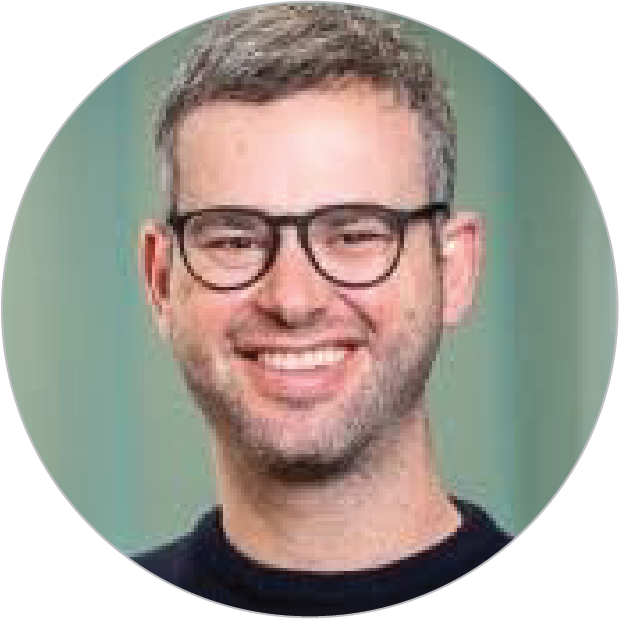
Omer Gilan
Australian Centre for Blood Diseases, Monash University
Title
Harnessing drug-induced epigenetic memory to enable sequential therapy in cancer
Abstract
Acute Myeloid Leukemia is a fast-growing cancer of the blood and bone marrow. Despite recent advances in treatment, the disease often comes back after initial therapy. While combining multiple drugs can improve outcomes, this often leads to severe side effects. An alternative strategy—called sequential therapy—involves giving treatments one after another, in a specific order. This approach may reduce side effects but only works well if the first treatment can "reprogram" the cancer cells in a way that makes them more sensitive to the next drug. Our research focuses on how cancer cells maintain their identity through something called epigenetic memory—chemical tags on DNA and proteins that control which genes are turned on or off. Some of these epigenetic changes can be long-lived, even after treatment stops. We’ve discovered that a new class of drugs called Menin inhibitors can create stable changes in leukemia cells, making them more vulnerable to other therapies like Venetoclax, a drug that promotes cancer cell death. Our goal is to find smarter, more targeted ways to treat AML by using the cancer’s own memory against it. If successful, this research could lead to safer and more effective treatment combinations, given sequentially, reducing the chance of relapse and improving survival for patients with AML.
About the Presenter
Dr Omar Gilan leads research at the Australian Centre for Blood Diseases, investigating how the epigenetic landscape shapes leukaemia cell behaviour and therapy response. His work focuses on identifying novel epigenetic regulators of leukaemia self-renewal and using CRISPR-based genetic screens to uncover principles of gene regulation. By understanding how leukaemic cells adapt and resist treatment, Dr Gilan’s lab aims to develop strategies that reset malignant cells back to a normal state, paving the way for more effective therapeutic interventions. Learn more about his work.
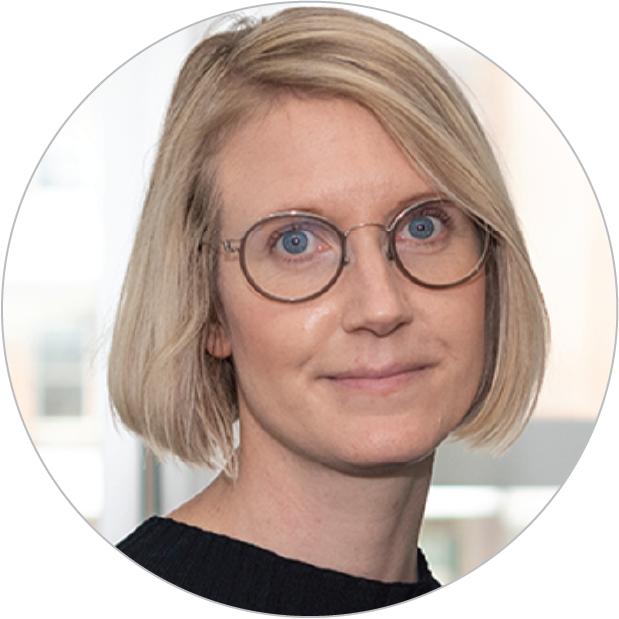
Saskia Freytag
Brain Cancer Research Lab, Waltzer and Eliza Hall institute of Medical Research
Title
Multi-Omic Dissection of IDH Inhibition in Glioma: Insights from a Perioperative Trial
Abstract
In this first-in-kind perioperative trial of mIDH1 inhibition in glioma, we combined single-cell, spatial transcriptomics, metabolomics, and electrophysiology to interrogate the effects of safusidenib in matched pre- and post-treatment patient samples. We demonstrate on-target drug activity, revealing tumor cell differentiation, metabolic rewiring, and dampened neural excitability. Notably, progenitor-like tumor cells showed enhanced adaptability, suggesting a potential mechanism of resistance. These findings establish the feasibility of perioperative trial design in glioma and highlight the power of multi-omic approaches to uncover therapeutic mechanisms and guide future combination strategies.
About the Presenter
Dr Saskia’s research focuses on developing personalized therapies for brain cancer through advanced molecular investigation. Her work is grounded in a multidisciplinary approach that brings together patient-centric research, clinical insights, and cutting-edge technologies — all with the goal of accelerating treatment strategies and improving outcomes for brain cancer patients. Learn more about her work.

About Novogene
Novogene is a pioneer in applying cutting-edge molecular biology technology and high-performance computing to research in the fields of life science and human health. Our vision is to continue as a global leader in the delivery of genomics services and solutions. With one of the largest sequencing capacities in the world, we utilise our deep scientific knowledge, first-class customer service and unsurpassed data quality to help clients realise their research goals in the rapidly evolving world of genomics. Novogene is committed to become your trusted genomics partner.
For more information, visit novogene.com/amea-en
© 2026 Novogene Co., Ltd. All Rights Reserved.
For Research Use Only. Not for Clinical Diagnostic Use.
Regional Office for Asia Pacific, Middle-East & Africa:
NovogeneAIT Genomics Pte. Ltd.
11 Biopolis Way, #10-11 Helios,
Singapore 138667
Novogene (HK) Company Limited
Unit 1307, Everglory Centre,
1B Kimberly Street,
Tsim Sha Tsui, Hong Kong
Novogene Japan K.K.
Kayabacho-Nagaoka BLDG3-7F, 2-7-10,
Nihonbashi-Kayabacho, Chuo City,
Tokyo,103-0025 Japan
Novogene Korea
Mediopen Lab 503, 5th Floor,
Korea Health Management Association,
372 Hwagok-ro, Gangseo-gu,
Seoul, Republic of Korea